Category: Lifestyle & Fashion

Shisha Bestellen: Die 10 Besten Retailers Für Schnellen VersandShisha Bestellen: Die 10 Besten Retailers Für Schnellen Versand


Das Shisha-Genießen ist eine großartige Möglichkeit, sich zu entspannen und eine angenehme Zeit zu genießen. Wenn du eine Wasserpfeife kaufen möchtest, ist es wichtig, einen vertrauenswürdigen Shop zu finden, der dir nicht nur eine hochwertige Shisha liefert, sondern auch einen schnellen und zuverlässigen Versand bietet. In diesem Artikel zeigen wir dir die ten besten Shops für den Kauf einer Shisha mit schnellem Versand, damit du deine neue Wasserpfeife schnell und unkompliziert genießen kannst.

Erstens: Shisha-Shop X

Shisha-Shop X ist bekannt für seinen effizienten Versand und eine riesige Auswahl an Wasserpfeifen. Sie bieten eine Vielzahl von exklusiven Marken und sind ein beliebter Anbieter, wenn es um schnelle Lieferung geht. Ihre Lieferzeiten sind klar und effizient.

Stärken: Schnelle Lieferung.

Versandzeit: Effizient.

Zweitens: Retailer Y

Retailer Y ist ein weiterer top Anbieter für Wasserpfeifen. Sie bieten nicht nur eine große Auswahl, sondern auch einen hervorragenden Versand. Ihre Kunden schätzen besonders die freundlichen Service.

Vorteile: Kompetente Beratung.

Versanddauer: 2-3 Tage.

III. Shisha Store Z

Shisha Store Z hat sich durch schnellen Versand einen Namen gemacht. Ihre Lieferung erfolgt in der Regel innerhalb von 1-2 Werktagen, sodass du schnell mit deiner neuen hookah anfangen kannst.

Besonderheiten: Zahlreiche Marken.

Versandzeit: Unkompliziert.

IV. Shisha Shop A

Retailer A gehört zu den beliebtesten Shisha Shops in der Branche. Sie bieten eine unterschiedliche Kategorien an Shishas, Tabaksorten und Zubehör, die du schnell nach Hause geliefert bekommst.

Besonderheiten: Viel Auswahl.

Versandzeit: Sicher.

V. Shisha Store B

Retailer B bietet nicht nur eine umfangreiche Produktpalette, sondern auch einen ausgezeichneten Kundenservice. Der Versandservice erfolgt problemfrei, und sie bieten eine Vielzahl an Zahlungsmöglichkeiten.

Besonderheiten: Gute Beratung.

Lieferzeit: Komfortabel.

VI. Store C

Outlet C ist für seine hochwertigen Shisha-Produkte bekannt und liefert schnell und zuverlässig. Mit einer großen Auswahl an Tabaken können Kunden ihre Bestellung schnell erhalten und mit dem Rauchen beginnen.

Vorteile: Schneller Versand.

Versandzeit: Zuverlässig.

VII. Shisha Shop D

Shisha Shop D ist ein zuverlässiger Anbieter im Bereich der Wasserpfeifen. Sie bieten einen schnellen Versand und eine freundliche Kundenbetreuung, die dir bei Fragen und Problemen zur Seite steht.

Stärken: Gute Beratung.

Lieferzeit: Sehr schnell.

8. Shisha Store E

Shisha Store E bietet eine riesige Auswahl an Aromen zu fairen Preisen. Mit einem sicheren Versandprozess wirst du deine Bestellung schnell erhalten und direkt mit dem Rauchen beginnen können.

Vorteile: Top Marken.

Versanddauer: Pünktlich.

IX. Shisha Store F

Hookah Store F ist ein weiterer beliebter Shop, der schnellen Versand zu attraktiven Preisen bietet. Sie haben eine umfangreiche Auswahl von Shishas, Tabaken und Zubehör, sodass du alles aus einer Hand bestellen kannst.

Besonderheiten: Schneller Versand.

Versandzeit: Zuverlässig.

Zehntens: Retailer G

Retailer G bietet nicht nur schnelle Lieferung, sondern auch regelmäßig exklusive Angebote. Sie bieten eine große Auswahl an Shishas, und ihr Versandprozess ist schnell.

Stärken: Günstige Preise.

Versanddauer: Zügig.

Fazit

Es gibt viele Retailer, die Shishas anbieten und einen schnellen Versand ermöglichen. Die hier vorgestellten 10 besten Anbieter zeichnen sich durch schnellen Versand aus, sodass du sicher sein kannst, dass deine Bestellung schnell und zuverlässig bei dir ankommt. Achte darauf, bei der Auswahl auf Qualität und schnellen Versand zu achten, damit du dein Shisha-Erlebnis sofort genießen kannst.

Exploring The Evolution And Determine Of Wear ClotheExploring The Evolution And Determine Of Wear Clothe

The construct of Clothing and Apparel is not just about one s body or making a fashion instruction. It’s about a narrative that has been spun with threads of history, , and conception, expressing not only personal individuality but also broader social changes. This article aims to explore the multifarious universe of discourse of wear and apparel.

When reflective on the account of article of clothing, its primary quill run has always been to protect the human body from adverse climates and potential harm in the . Materials were sourced from the encompassing , and the choices of fabrics ranged from foliose entrepreneurial coverings to the skin of animals. However, with the advancement of man refinement, article of clothing gradually regenerate from being a simpleton protective gear to an emblem of position, with more complex plan, master fabrics, and elaborate ornamentation used to indicate wealthiness and set down in society.

As time flowed, the wholesale clothing and apparel manufacture underwent substantial transformations. The Industrial Revolution played a particularly important role in this reckon. Mechanized production led to mass manufacturing of clothes, qualification them more low-priced and accessible. This time period also introduced the concept of’ready-to-wear’ dress, a drastic shift from the usage-made outfits of the past. The fix-to-wear rotation, in fact, played a polar role in democratizing forge, qualification title accessible to all, regardless of economic status.

In Recent old age, fashion trends have progressively become tools for individuals to verbalise their subjective style, their values, and make statements about their individuality. This passage bridges the conversation to the touch on of globalization and modernization on clothing trends. With easy get at to cyberspace and up global logistics, fashion trends have become more comprehensive, diverse, and moral force than ever, blurring geographic and appreciation boundaries. Today, it’s banality to see someone in New York diversion a traditional Indian sari or a someone in Tokyo donning an American-style rodeo rider hat.

Looking towards the future, sustainable and ethical practices are set to prevail the clothing and raiment landscape. This new wave is parented by flared awareness of the manufacture’s state of affairs step, such as the essential irrigate utilization involved in garment product, and tug rights issues rife in factories. Many fashion brands are now championing the use of recycled materials, organic fabrics, and fair-trade practices to produce a more property and -conscious industry.

In ending, the world of vesture and garb is not just about fabric and style; it is a reflexion of social evolution, person verbalism, and the ongoing influence of globalization. Its dynamic nature allows it to continually adapt to shifting discernment landscapes, field of study advancements, and growing environmental consciousness. So next time when you settle to wear an equip, think of that it encompasses more than just threads and colors; it represents a long, complex, and entrancing history of human verbalism.

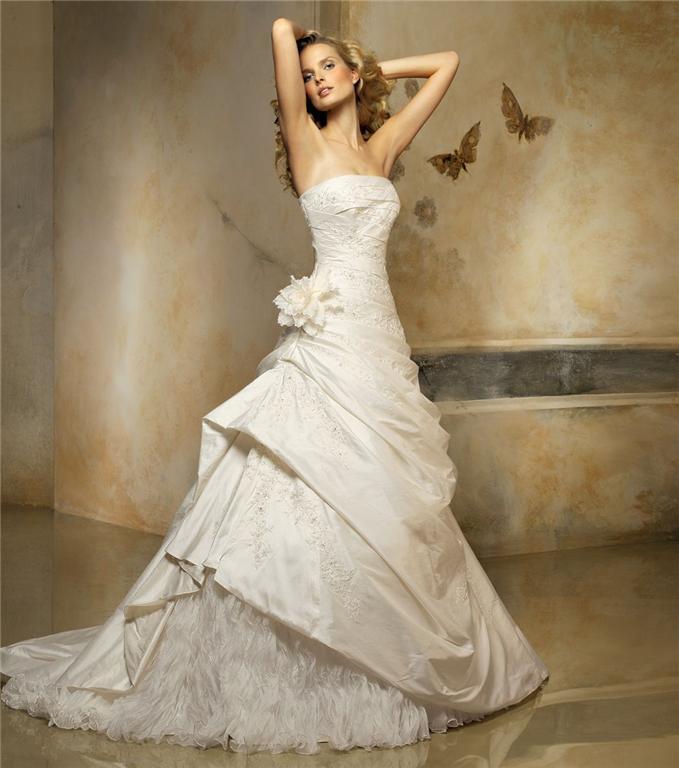
Los vestidos de fiesta de boda en España: Estilos, Tendencias y Tradiciones que Definen el GlamourLos vestidos de fiesta de boda en España: Estilos, Tendencias y Tradiciones que Definen el Glamour

Los vestidos de fiesta de boda en España son mucho más que una simple prenda de vestir; son el reflejo de una rica tradición, una profunda cultura y una sensibilidad estética que caracteriza a cada región del país. A lo largo de los años, la moda nupcial española ha evolucionado, fusionando la elegancia clásica con las tendencias modernas, mientras se mantiene fiel a sus raíces. Cada comunidad autónoma aporta su propia influencia a la hora de elegir el vestido perfecto para una boda, lo que permite una variedad sorprendente de estilos que van desde lo más tradicional hasta lo más innovador.

En ciudades como Madrid y Barcelona, los vestidos de boda tienden a ser muy sofisticados y modernos. Las novias en estas grandes urbes se decantan por vestidos de corte ajustado, en tejidos como el encaje o la seda, que resaltan la figura y aportan un aire de sofisticación minimalista. Los detalles como las transparencias, las espaldas descubiertas y los tejidos metalizados están muy en boga, adaptándose a las tendencias internacionales. Además, las opciones para vestidos de fiesta de boda no se limitan solo al blanco, ya que en estos lugares es cada vez más común ver colores como el marfil, el rosa pálido o incluso tonos más vibrantes, como el azul o el rojo, dependiendo de la temática de la boda.

En contraste, en regiones como Andalucía o Castilla y León, los vestidos de fiesta de boda suelen estar más influenciados por la tradición y el folclore local. En Andalucía, por ejemplo, las bodas a menudo incorporan elementos del flamenco, lo que se refleja en los Vestidos de invitada para boda noche con volantes, faldas amplias y detalles bordados a mano. Los tonos cálidos como el rojo, el dorado y el marfil son muy populares en estas zonas, y los complementos como mantillas, peinetas y pendientes grandes son casi imprescindibles para completar el look nupcial. Este estilo no solo resalta la sensualidad y el movimiento, sino que también es un homenaje a la rica herencia cultural de la región.

Por otro lado, en el País Vasco, las novias tienden a optar por diseños más sencillos pero igualmente elegantes, buscando la simplicidad en la silueta y el lujo en los detalles. Aquí, los vestidos de fiesta de boda suelen ser más discretos, con cortes rectos y tejidos más lisos, pero siempre con un toque de distinción, como bordados delicados o detalles de pedrería que dan un brillo sutil. La influencia de la moda francesa es clara, con un aire más refinado y europeo que en otras partes del país.

Las bodas rurales en España, por su parte, tienden a estar más cerca de la tradición, lo que se refleja en vestidos de fiesta de boda que priorizan el confort y la elegancia sobria. Las novias que celebran su boda en un ambiente más campestre suelen elegir vestidos sencillos, en tejidos naturales como el lino o el algodón, en colores suaves y con detalles florales que hacen referencia a la naturaleza que las rodea.

El mercado español de vestidos de fiesta de boda es muy amplio y accesible, con diseñadores locales que se especializan en crear prendas únicas y personalizadas. Muchos de estos diseñadores aprovechan la versatilidad del diseño español, que permite adaptar la moda nupcial a diferentes estilos y presupuestos, desde las bodas más lujosas hasta las más íntimas. La combinación de la artesanía local, la influencia de la alta costura y la estética moderna hace que los vestidos de fiesta de boda en España sean una opción perfecta para novias que buscan algo especial y auténtico para su gran día.

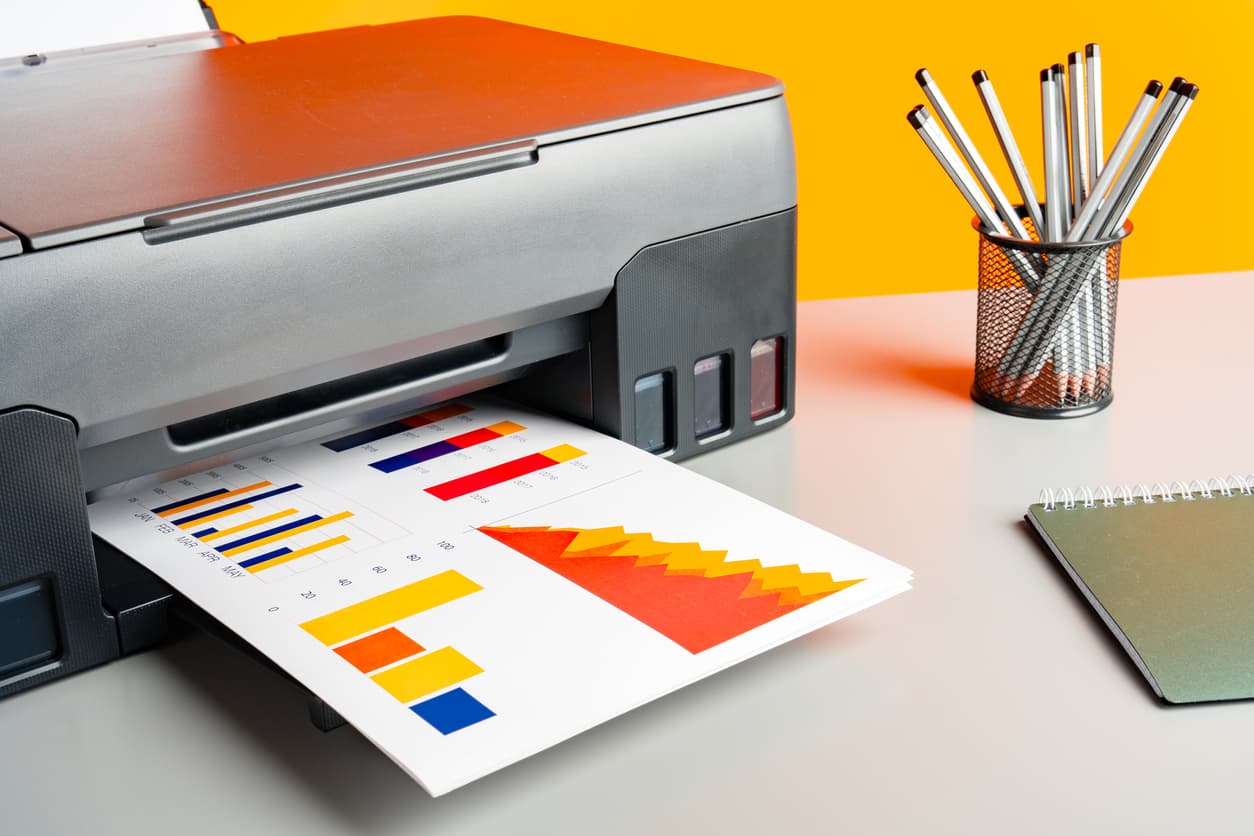
The Significance of Printing in the Modern World: Challenges and OpportunitiesThe Significance of Printing in the Modern World: Challenges and Opportunities

Printing has been a pivotal part of human civilization for centuries, evolving from ancient methods like engraving and block printing to the cutting-edge digital printing technologies we use today. In an age where the digital landscape is expanding rapidly, it may seem as though print media is on the decline. However, despite the growth of online content and digital communication, printing still holds significant value in today’s world. From business and education to art and packaging, printing continues to shape our daily lives. This article will explore the ongoing relevance of printing, the challenges it faces, and the exciting opportunities it offers for the future.

The Continuing Role of Print in Communication

In an era dominated by the internet and digital devices, one might assume that traditional print media—such as newspapers, books, and magazines—would be in decline. While it’s true that digital content consumption has increased, printed materials continue to play a vital role in communication. Print offers a sense of permanence and tangibility that digital media often lacks, making it an effective medium for delivering messages that need to be retained or shared physically.

In marketing, print materials like brochures, flyers, and business cards still remain essential for businesses to reach their customers. Despite the prevalence of digital ads, printed advertisements are often seen as more trustworthy and tangible. Studies show that people engage more with physical media compared to online ads, which are often skipped or ignored. Direct mail campaigns, for instance, continue to have high conversion rates, especially when they are personalized.

Moreover, many individuals prefer reading printed materials such as newspapers and books. While digital subscriptions are rising, there is still a strong demand for physical books. The tactile experience of holding a book and the pleasure of turning its pages remain unmatched for many readers, and physical books continue to be treasured by collectors and avid readers alike.

Printing’s Crucial Role in Education and Learning

Education has long benefited from the power of printed materials. Textbooks, workbooks, and educational handouts are fundamental tools for students and teachers alike. While e-learning platforms and digital textbooks are growing in popularity, many students still find printed materials more conducive to learning. Research suggests that people retain information better when reading from physical books, as opposed to digital screens.

Printed materials also play an essential role in providing access to education in areas where digital devices and the internet are not as readily available. In rural or underserved areas, printed textbooks and educational resources remain vital for students who might not have access to computers or e-books. This makes printing an essential tool in bridging the educational divide between communities.

Furthermore, print plays a role in the creative and artistic industries. Artists, photographers, and graphic designers rely on printing to reproduce their work and share it with the world. Whether through photography prints, posters, or art prints, the ability to turn a digital design into a physical, tangible object gives artists and creators the opportunity to connect with audiences in a deeper, more personal way.

Challenges Facing the Printing Industry

Despite its continued importance, the printing industry faces several challenges, especially in the face of digital transformation. One of the biggest challenges is the environmental impact of traditional printing practices. The production of paper and the use of chemical inks have raised concerns over deforestation, pollution, and the waste generated by printed materials. As consumers and businesses become more environmentally conscious, there is increasing pressure on the printing industry to adopt sustainable practices.

Another challenge is the competition from digital alternatives. The rapid advancement of digital technologies has led many businesses and consumers to prefer electronic documents over printed ones, reducing the demand for printed materials in some sectors. For example, many companies now offer digital versions of brochures, catalogs, and reports, which can be easily distributed and updated. This has led to a decrease in demand for printed marketing materials, particularly among younger, tech-savvy consumers.

Additionally, the printing industry must contend with rising production costs, including paper, ink, and labor. As the cost of raw materials increases, it becomes more expensive to produce printed materials, which can impact the pricing structure for businesses that rely on printing. In response to these challenges, printing companies are increasingly looking for ways to streamline operations and improve efficiency through automation, digital technologies, and more sustainable practices.

Opportunities for Growth and Innovation in Printing

Despite these challenges, the printing industry is also experiencing exciting opportunities for growth, driven by technological advancements, innovation, and evolving consumer preferences.

  1. Sustainability in Printing: One of the most promising areas for growth in the printing industry is sustainability. The demand for eco-friendly printing practices has never been greater, and 書刊印刷 companies are increasingly adopting green technologies. The use of recycled paper, biodegradable inks, and energy-efficient equipment is helping to reduce the environmental impact of printing. Additionally, print-on-demand services, which allow businesses to print materials only when needed, are reducing waste and lowering the carbon footprint of print runs.

  2. 3D Printing: Perhaps one of the most groundbreaking innovations in printing is 3D printing, also known as additive manufacturing. Unlike traditional printing, which produces two-dimensional images, 3D printing creates three-dimensional objects by layering materials such as plastic, metal, or even food. This technology is revolutionizing industries such as manufacturing, healthcare, and construction by enabling rapid prototyping, customized products, and on-demand production. The possibilities for 3D printing in industries like automotive, aerospace, and healthcare are vast, and the technology is expected to grow exponentially in the coming years.

  3. Personalization and Customization: Consumers today are more interested in personalized and unique products, and printing offers a way to cater to this demand. Digital printing allows for mass customization, where businesses can print personalized materials such as packaging, clothing, and promotional items for individual customers. Whether it’s custom-designed clothing, personalized gifts, or tailored marketing materials, printing has the power to make products more personal and appealing to customers.

  4. Interactive and Augmented Reality (AR) Print: Another exciting opportunity lies in the integration of augmented reality (AR) with print materials. AR allows users to interact with printed materials by using smartphones or AR glasses. For instance, printed advertisements or brochures could come to life when scanned, displaying additional content such as videos, animations, or 3D models. This interactive print opens up new possibilities for marketing, education, and even entertainment. As AR technology becomes more widespread, its integration with print will create new ways for businesses and consumers to engage with printed materials.

  5. Digital Printing Advancements: Digital printing continues to evolve, providing businesses with faster, more cost-effective, and flexible printing solutions. Advances in digital printing technologies, such as inkjet and laser printing, allow for high-quality prints with faster turnaround times. Digital printing is also enabling shorter print runs, reducing waste and making it more accessible for small businesses and entrepreneurs to produce high-quality printed materials on demand.

Conclusion

While the printing industry faces its share of challenges, it also offers many exciting opportunities for growth and innovation. From sustainability efforts and the rise of 3D printing to personalization and the integration of augmented reality, the future of printing looks promising. As businesses and consumers continue to seek more eco-friendly, personalized, and interactive solutions, the printing industry is poised to adapt and thrive in the digital age.

Printing remains a vital and versatile tool, and its ability to evolve alongside technological advancements ensures that it will continue to play a significant role in communication, business, education, and the arts for many years to come.


The Dynamic World of Jersey Design: Where Function Meets IdentityThe Dynamic World of Jersey Design: Where Function Meets Identity

Jersey design stands at the crossroads of innovation, tradition, and identity. What was once a basic uniform to distinguish athletes on the field has evolved into a multi-dimensional piece of clothing that serves a wide variety of purposes. Today, jerseys are not just worn by athletes, but are proudly donned by fans, incorporated into fashion, and serve as cultural symbols that evoke passion, pride, and a deep connection to a team or sport. This article will explore the art and science behind jersey design, examining the intersection of aesthetics, performance, and identity.

The History Behind Jersey Design: A Journey of Transformation

The origins of jerseys can be traced back to the early days of sports, where they functioned as simple uniforms designed to provide basic coverage and identify players. Early jerseys were often made of wool or cotton, and while functional, they were not designed for performance or comfort. The focus was purely on practicality—offering athletes something durable and easy to move in.

As professional sports began to develop in the 20th century, jerseys started to evolve. Teams began adopting distinctive colors, numbers, and logos that set them apart. This evolution was not just about improving the athlete’s experience but also about creating a visual identity for the team. Fans, who saw these jerseys on the field, began to identify with them. Jerseys slowly transitioned from just uniforms to symbols of pride and allegiance.

In the 1980s and 1990s, the cultural impact of jerseys exploded. From the rise of basketball superstars like Michael Jordan to the increasing popularity of soccer and football leagues, jerseys became a way for fans to display their loyalty. Athletes and teams became global icons, and jerseys became valuable merchandise that reflected not just sporting success, but cultural influence.

The Role of Performance: Functionality at the Core

While jersey design has undoubtedly become more stylish and culturally significant over time, the core function of a jersey remains performance. Athletes need jerseys that optimize comfort, movement, and durability, and modern designs are the result of careful consideration of these factors.

  1. Material Innovation The fabric of a jersey is perhaps the most important aspect in determining its performance. Modern jerseys are made with advanced fabrics that provide moisture-wicking, breathability, and durability. Materials such as polyester, spandex, and nylon blends allow athletes to stay cool and dry, even in the heat of competition. These fabrics are lightweight and flexible, enabling athletes to move freely without restriction.

    For example, soccer jerseys often feature mesh panels that allow air to circulate around the body, helping players regulate body temperature. Similarly, compression fabrics are becoming more common, providing added support to muscles and aiding in recovery after intense activity.

  2. Fit and Freedom of Movement The cut and fit of a jersey play a significant role in how it performs. A tight, aerodynamic fit can reduce wind resistance in sports like cycling or track, while a looser fit may be more appropriate for team sports like basketball, where freedom of movement is crucial. Designers must ensure that jerseys allow athletes to perform at their highest level without restrictions.

    The integration of stretchable materials and ergonomic cuts ensures that modern jerseys are both functional and comfortable. For example, jerseys designed for basketball often include elongated sleeves and a slightly looser body cut to accommodate the sport’s fluid movements, while football jerseys may feature reinforced areas to withstand the rough physicality of the game.

  3. Temperature Control Another key element of performance design is temperature control. Jerseys are now made with specialized technologies that help athletes maintain the optimal body temperature during play. Fabrics are engineered to pull sweat away from the body and evaporate it quickly, which helps athletes stay dry and avoid overheating.

    Some jerseys also feature cooling technology that adjusts the material based on environmental conditions, ensuring that athletes can perform at their best no matter the weather. In cold-weather sports, jerseys may feature thermal properties that keep athletes warm without compromising mobility.

The Power of Identity: Jerseys as Cultural Symbols

While jerseys are undeniably functional, they also serve as powerful symbols of identity and community. They represent more than just the players who wear them—they embody the collective spirit of fans and the history of a team. The design of a jersey can evoke a sense of pride, loyalty, and even social belonging.

  1. Team Colors and Identity The color scheme of a jersey is one of the most distinctive elements of its design. Colors are not chosen arbitrarily; they have deep symbolic meanings that connect to the team’s identity. The red and yellow of the Spanish national soccer team, for example, reflect the country’s national colors, while the green of the Boston Celtics evokes their rich Irish-American heritage.

    Jerseys reflect the history, culture, and values of the teams and cities they represent. For fans, wearing the jersey is a way to connect to a larger community and to feel part of something bigger than themselves. The emotions tied to a jersey are powerful—whether it’s the feeling of triumph after a big win or the sense of solidarity in times of hardship.

  2. Logo and Branding Team logos play a key role in defining a jersey’s design. A well-designed logo represents the team’s essence, often incorporating elements of the city or sport’s culture. These logos are strategically placed on the jersey, usually on the chest, sleeve, or back, making them highly visible to fans.

    Branding is a crucial element in modern jersey design, and sponsor logos are an essential part of the design. Sponsorship deals have become a major source of revenue for sports teams, and logos are integrated into the design in ways that do not detract from the team’s identity. This balancing act is a critical aspect of the jersey design process—ensuring the sponsor’s brand is represented without overpowering the jersey’s aesthetic.

  3. Fan and Player Connection For fans, the jersey is a personal statement of loyalty. It connects them to the players on the field, but it also links them to the larger community of supporters. A fan wearing a jersey feels part of the collective experience of the sport—sharing in the highs of victory and the lows of defeat. Many fans cherish their jerseys as keepsakes, often wearing them to games or displaying them as prized possessions.

    For athletes, the jersey represents not just a uniform, but a symbol of achievement. The number on the back carries personal meaning, often representing years of dedication, hard work, and sacrifice. Some athletes even create their own iconic looks by personalizing their jerseys with unique patterns, cuts, or design elements that stand out from the rest.

The Rise of Jerseys in Fashion and Streetwear

Over the past few decades, jerseys have become an integral part of the streetwear and fashion world. The connection between sports and fashion has never been stronger, with jerseys now being worn in everyday settings, not just at sporting events. From basketball jerseys to soccer kits, these garments have moved beyond the stadium and into the global fashion scene.

  1. Celebrity Influence and Fashion Statements Celebrity athletes, particularly in basketball and soccer, have influenced the way jerseys are perceived and worn. Icons like Michael Jordan, LeBron James, and David Beckham have turned their jerseys into global fashion statements. These athletes often wear their own jerseys off the field, making them stylish and desirable items for fans and fashion enthusiasts alike.

    Additionally, designers have embraced jerseys as a key element of streetwear collections. Oversized jerseys, often paired with casual jeans or stylish sneakers, have become a staple in urban fashion. The blend of comfort, athleticism, and style has made the jersey an essential item for fashion-conscious individuals, whether they’re heading to the gym or attending a concert.

  2. Customization and Personalization The rise of customization and personalized jerseys has also contributed to the popularity of jerseys in fashion. Fans can now add their names, favorite numbers, or unique designs to their jerseys, making them more personal and reflective of their individuality. This trend has made jerseys more than just team uniforms—they have become personalized expressions of fandom and identity.

  3. Sustainable 球隊波衫 The growing awareness of environmental issues has led to a shift in the fashion industry, including sportswear. Many companies are exploring eco-friendly materials and production methods, creating jerseys that are both sustainable and high-performance. Recycled polyester, organic cotton, and other sustainable materials are being used to create jerseys that reduce the environmental impact without sacrificing quality.

The Future of Jersey Design

Looking forward, the world of jersey design is set to continue evolving. We can expect more technological innovations in fabrics, smart jerseys that monitor performance, and even further integration of environmental consciousness in the design and production processes.

As sports and fashion continue to merge, jerseys will remain symbols of pride, culture, and identity. Whether worn on the field, at a concert, or as part of a fashionable ensemble, jerseys will continue to tell the stories of athletes, teams, and fans—uniting them in the shared experience of sport and community.

Conclusion

Jersey design is a unique blend of artistry, technology, and culture. As much as they are functional pieces of athletic wear, jerseys have transcended their original purpose to become symbols of identity, pride, and connection. They are physical representations of the athletes who wear them, the teams they represent, and the fans who support them. With their continued evolution in both performance and style, jerseys are sure to remain a powerful cultural artifact—representing not only the game but the people who live it.